
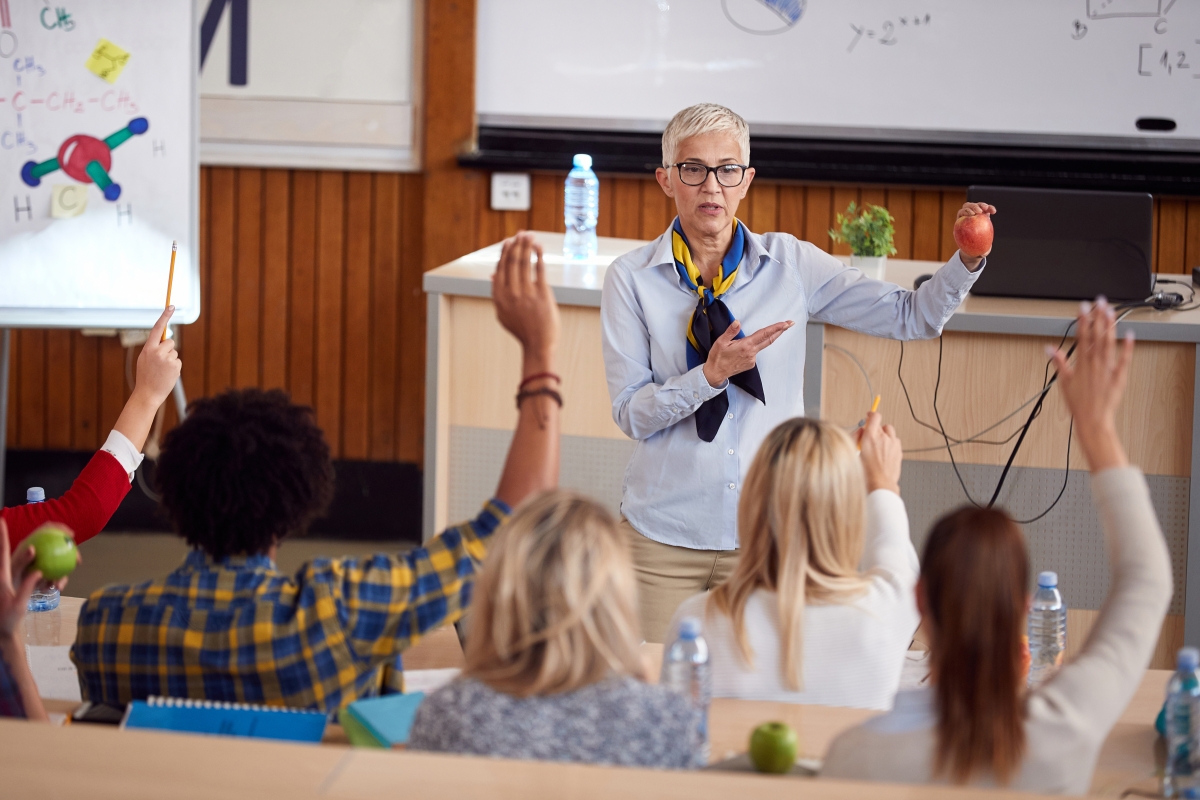
Vancouver is known for its diverse and innovative approach to education, blending traditional learning with modern techniques to meet the changing needs of students and society. As technology advances and education becomes more globalized, schools, parents, and educational institutions in Vancouver are embracing new trends that focus on personalized learning, hands-on experiences, and digital literacy. Whether you’re a parent, educator, or student, staying informed about these trends can help you navigate the evolving educational landscape.
Here are some of the top educational trends shaping Vancouver’s learning environment today.
1. STEM and STEAM Education
One of the most significant trends in Vancouver’s educational landscape is the growing emphasis on STEM (Science, Technology, Engineering, and Mathematics) and STEAM (STEM plus the Arts) education. As industries evolve and require more skills in technology and problem-solving, Vancouver schools are increasingly focusing on preparing students for careers in these fields.
- Hands-On Learning in STEM Subjects:
Many Vancouver schools offer programs that encourage hands-on learning in subjects like robotics, coding, and engineering. Students are not only learning theoretical knowledge but are also engaged in projects that involve building robots, coding apps, or solving real-world problems. - STEAM Integration:
In addition to STEM, STEAM programs are gaining popularity by incorporating the arts into the science and technology curriculum. This interdisciplinary approach helps students develop creativity and critical thinking alongside technical skills. Schools and after-school programs in Vancouver offer courses in digital media, graphic design, and music technology, allowing students to explore creative solutions to technical challenges.
2. Outdoor Education and Environmental Stewardship
Vancouver’s stunning natural surroundings have made outdoor education a growing trend in the city’s schools. Recognizing the importance of connecting students with nature, many schools and organizations are integrating outdoor learning into their curricula:
- Forest Schools and Nature-Based Learning:
Forest schools are becoming increasingly popular in Vancouver, particularly for younger children. These programs emphasize outdoor play, exploration, and learning in natural environments like parks, forests, and beaches. Children are encouraged to engage with the natural world through activities such as hiking, gardening, and observing wildlife. This approach promotes environmental stewardship, problem-solving, and resilience. - Environmental Sustainability in Schools:
Environmental education is also becoming a key component of Vancouver’s educational programs. Many schools have introduced sustainability initiatives, including recycling programs, school gardens, and eco-friendly practices. Students learn about climate change, conservation, and sustainability through experiential learning, preparing them to be responsible global citizens.
3. Digital Literacy and E-Learning
As the world becomes more digitally connected, digital literacy is becoming an essential skill for students in Vancouver. Schools are adapting to the digital age by incorporating e-learning tools, online platforms, and digital resources into their teaching methods.
- Coding and Technology Integration:
Coding is now a fundamental part of the curriculum in many Vancouver schools. From elementary to high school, students are introduced to coding languages, website development, and app creation. This early exposure to technology helps students build skills that are highly valuable in today’s job market. - E-Learning Platforms and Hybrid Classrooms:
The rise of e-learning and remote education, especially after the COVID-19 pandemic, has led to more hybrid models of learning. Schools in Vancouver are combining traditional classroom instruction with online platforms that allow students to access materials, complete assignments, and collaborate with peers remotely. This flexible approach accommodates different learning styles and needs. - Media Literacy and Online Safety:
Along with digital literacy, media literacy is becoming a focus area for Vancouver educators. Students are being taught how to critically evaluate online information, navigate social media responsibly, and protect their privacy in the digital world. Programs on cyberbullying prevention and digital citizenship are also becoming part of the regular curriculum.
4. Personalized and Adaptive Learning
Personalized learning is a growing trend in Vancouver’s educational system, where the focus is on tailoring education to meet the individual needs and interests of each student. This approach recognizes that no two students learn the same way, and it aims to create a more flexible and student-centered learning environment.
- Project-Based Learning (PBL):
Project-based learning is one of the methods schools in Vancouver use to personalize education. In PBL, students work on extended projects that involve research, problem-solving, and creativity. These projects often allow students to explore subjects they are passionate about, providing a more meaningful learning experience. For example, a student interested in climate change might create a project on sustainable energy solutions for Vancouver. - Adaptive Learning Technologies:
Adaptive learning platforms use technology to adjust the learning experience based on each student’s performance. In Vancouver, several schools are experimenting with these tools, which can help students work at their own pace and receive instant feedback. These platforms use data to tailor lessons, quizzes, and learning paths, making it easier for teachers to support students with different abilities and learning styles.
5. Social and Emotional Learning (SEL)
As educators and parents recognize the importance of mental health and well-being, Social and Emotional Learning (SEL) is becoming a central focus in Vancouver schools. SEL programs aim to teach students emotional intelligence, empathy, and resilience, equipping them with the tools to manage stress, build positive relationships, and make responsible decisions.
- Mindfulness in Schools:
Many Vancouver schools have integrated mindfulness practices into the daily routine. Mindfulness exercises, such as meditation or breathing techniques, help students manage stress, stay focused, and improve their overall emotional well-being. - Anti-Bullying and Inclusion Programs:
Schools in Vancouver are also emphasizing inclusivity and diversity, with anti-bullying programs that teach empathy, respect, and conflict resolution. These programs help foster a supportive school environment where students feel safe and valued, contributing to their academic and personal success.
6. Indigenous Education and Reconciliation
As part of Canada’s broader reconciliation efforts, Vancouver’s education system is placing a stronger emphasis on Indigenous education and the inclusion of Indigenous perspectives in the curriculum.
- Cultural Awareness and History:
Schools in Vancouver are teaching students about the history and culture of Indigenous peoples, including the impact of colonialism, residential schools, and ongoing reconciliation efforts. This education is designed to promote understanding, respect, and healing, while also celebrating the contributions of Indigenous communities. - Indigenous Language Revitalization:
Some schools and community programs in Vancouver are working to revitalize Indigenous languages, offering courses in languages such as Squamish and Halkomelem. These efforts aim to preserve and celebrate Indigenous cultural heritage while empowering Indigenous youth to reconnect with their ancestral languages.
7. Experiential Learning and Field Trips
Vancouver schools are increasingly turning to experiential learning as a way to enrich education and make lessons more engaging and practical for students:
- Field Trips and Real-World Learning:
Schools are organizing field trips to local cultural institutions, museums, parks, and businesses, where students can learn in real-world environments. For example, students may visit the Vancouver Aquarium to study marine biology or tour local businesses to learn about entrepreneurship. - Work Experience and Internships:
High school students in Vancouver are also benefiting from work experience programs and internships that give them a taste of different career paths. These opportunities allow students to apply what they’ve learned in the classroom to real-life situations, helping them develop skills and gain insight into future professions.
Conclusion: Vancouver’s Future-Focused Education
Vancouver’s educational trends reflect a shift towards more personalized, innovative, and inclusive learning environments. By embracing technology, fostering emotional intelligence, and promoting environmental stewardship, Vancouver schools are preparing students for a future that values creativity, adaptability, and global citizenship. These trends are shaping the future of education in the city, ensuring that students are equipped with the skills and knowledge they need to thrive in a rapidly changing world.
Call to Action:
What educational trend are you most excited about in Vancouver? Share your thoughts or experiences in the comments below!
