
Education for teens is evolving rapidly, especially in a dynamic city like Vancouver, where new approaches to learning are constantly being introduced. Teenagers today face a complex world that requires critical thinking, adaptability, and a wide range of skills. Vancouver’s educational institutions are responding to these needs by offering innovative programs that prepare teens for both higher education and the real world. From technology-driven courses to mental health awareness, here are the top educational trends for teens in Vancouver.
1. Career-Focused Learning and Vocational Programs
Vancouver is seeing a growing emphasis on career-focused education for teens, helping them develop practical skills that can lead directly into the workforce or further specialized training.
- Dual Credit Programs:
Many high schools in Vancouver offer dual credit programs where teens can take college or university courses while still completing high school. This gives students a head start on post-secondary education, allowing them to explore different career paths and earn credits towards both high school graduation and higher education. - Vocational and Trades Programs:
Vancouver schools are increasingly offering vocational courses in trades such as carpentry, plumbing, and automotive technology. These programs allow teens to gain hands-on experience and technical certifications while still in high school, opening doors to careers in industries that need skilled labor. - Work Experience Placements:
Many schools have integrated work experience placements into their curriculum, allowing teens to spend part of the school year interning at local businesses, tech companies, or non-profit organizations. This exposure gives students a taste of different industries and helps them develop valuable workplace skills.
2. Mental Health and Wellness Education
Mental health awareness has become a critical focus in Vancouver’s educational landscape, particularly for teens who are navigating the pressures of academics, social media, and personal development.
- Mental Health Literacy Programs:
Vancouver schools are integrating mental health education into their curricula to help teens recognize and manage stress, anxiety, and other mental health challenges. These programs focus on teaching students coping strategies, emotional regulation, and where to seek help if needed. - Peer Support Initiatives:
Some Vancouver high schools have implemented peer support programs where teens are trained to provide mental health support to their classmates. These programs aim to create a supportive community where students feel comfortable discussing their emotional struggles. - Mindfulness and Stress-Reduction Practices:
Mindfulness practices such as meditation, yoga, and breathing exercises are becoming increasingly popular in Vancouver schools. These activities help teens manage stress and improve focus, creating a healthier learning environment and encouraging overall well-being.
3. Entrepreneurship and Financial Literacy
As more teens show interest in entrepreneurship and managing their own finances, Vancouver schools are incorporating entrepreneurship and financial literacy into their curriculum to prepare students for real-world financial responsibilities and business ventures.
- Student-Run Businesses:
Some schools in Vancouver have launched student-run business initiatives, where teens create, market, and sell products or services as part of a class project. This hands-on approach teaches them the basics of running a business, including budgeting, customer service, and marketing. - Financial Literacy Courses:
Schools are also introducing financial literacy courses that cover essential topics like budgeting, saving, investing, and understanding credit. These courses are designed to give teens the knowledge and confidence to manage their finances as they transition into adulthood. - Entrepreneurship Competitions:
Many teens are now participating in entrepreneurship competitions, such as Junior Achievement or local pitch contests, where they develop a business idea, create a plan, and pitch it to judges. These experiences allow students to develop leadership skills, problem-solving abilities, and business acumen.
4. Technology and Digital Skills Development
As technology continues to reshape the workforce, digital literacy and tech skills are becoming essential for today’s teens. Vancouver schools are staying ahead of the curve by offering tech-focused programs that equip students with the knowledge needed to thrive in a digital economy.
- Coding and App Development:
Coding courses are a staple in many Vancouver high schools, with students learning to create websites, apps, and even video games. These skills are highly sought after in tech industries, giving teens a competitive edge when applying for jobs or post-secondary programs in computer science. - Robotics and Artificial Intelligence:
Robotics clubs and courses are gaining popularity, where teens can build robots and experiment with artificial intelligence (AI) systems. These programs encourage creativity and problem-solving while giving students hands-on experience with cutting-edge technologies. - Digital Media and Content Creation:
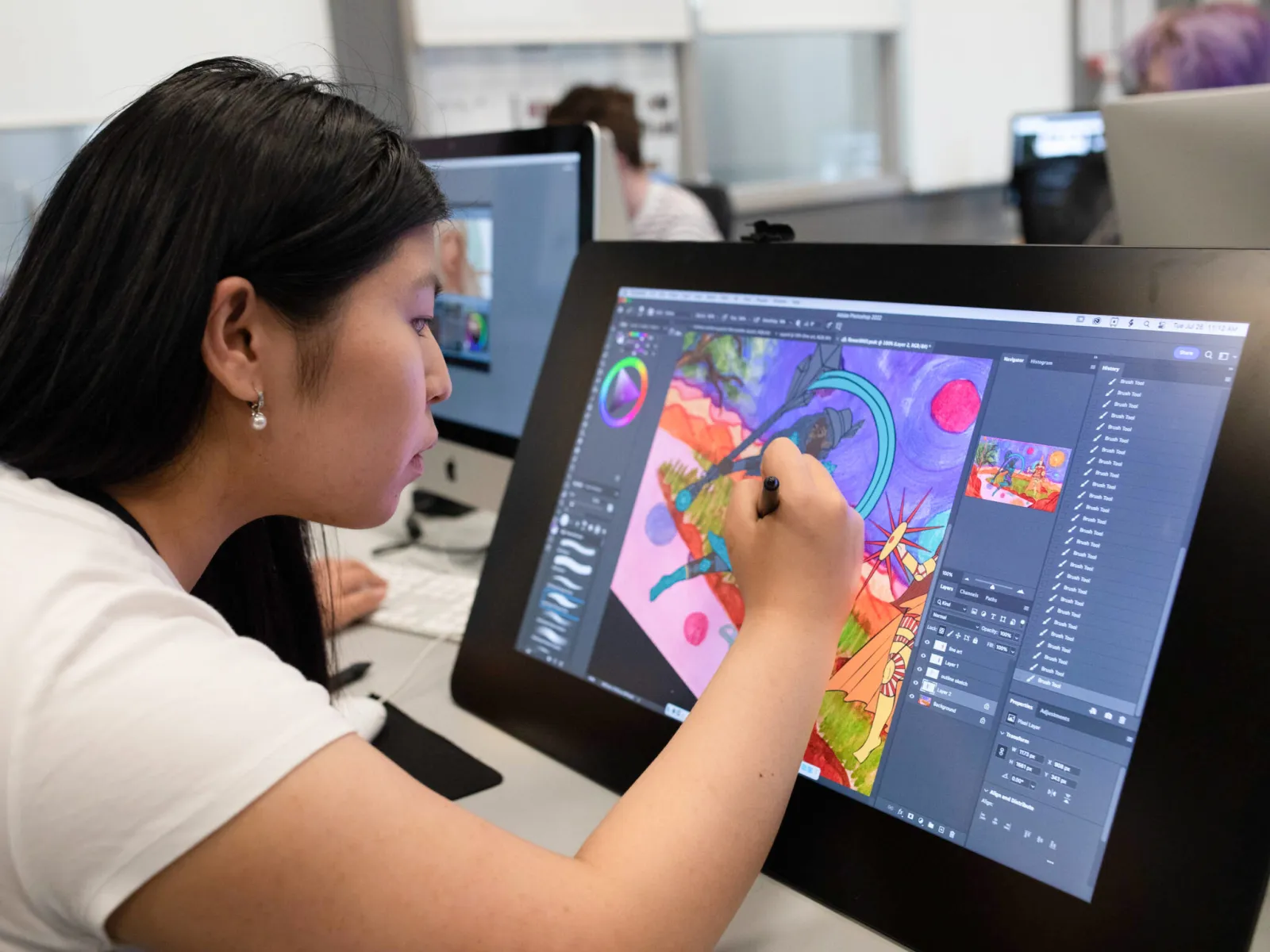
With the rise of social media, digital marketing, and online content creation, many teens are learning how to create and edit videos, podcasts, and graphics. Vancouver schools are offering digital media courses where students can explore photography, video production, and graphic design.
5. Global Citizenship and Sustainability Education
Vancouver schools are increasingly focusing on educating teens about their role as global citizens, with a strong emphasis on environmental sustainability, social justice, and global issues.
- Sustainability Projects and Eco-Activism:
Schools are encouraging teens to take part in sustainability projects such as organizing recycling programs, planting school gardens, or raising awareness about climate change. These initiatives not only teach students about environmental stewardship but also empower them to take action on global issues. - Global Studies and Social Justice Courses:
Many high schools now offer courses in global studies and social justice, where students learn about pressing global issues like poverty, human rights, and climate change. These courses encourage critical thinking and inspire teens to engage with the world around them, whether through volunteer work or activism. - Model UN and Debate Clubs:
Programs like Model United Nations (Model UN) and debate clubs are popular among Vancouver teens. These extracurricular activities give students the opportunity to discuss global issues, develop public speaking skills, and engage in diplomacy and negotiation.
6. Blended Learning and Self-Paced Education
Blended learning, which combines traditional classroom instruction with online learning, is becoming more common in Vancouver’s high schools. This self-paced and flexible approach to education allows teens to take more control over their learning journey.
- Online Courses and Platforms:
Many teens in Vancouver are using online platforms like Khan Academy, Coursera, and local e-learning portals to supplement their education. Schools are integrating these tools into their curriculum, allowing students to learn at their own pace and explore subjects that interest them beyond the classroom. - Independent Study and Research Projects:
Some Vancouver high schools are offering independent study options, where students can design their own learning plans and pursue in-depth research projects. This approach encourages self-motivation and accountability, preparing teens for the demands of post-secondary education. - Flexible Scheduling:
Blended learning programs often include flexible scheduling, which allows students to balance academics with extracurricular activities, part-time work, or family commitments. This model can be particularly beneficial for teens who thrive in a more self-directed learning environment.
7. Indigenous Education and Cultural Awareness
As part of broader reconciliation efforts in Canada, Vancouver schools are focusing on increasing Indigenous education for teens, incorporating Indigenous history, culture, and perspectives into the curriculum.
- Indigenous Studies Courses:
Many high schools are now offering dedicated courses on Indigenous history, culture, and rights, teaching students about the rich heritage of local First Nations communities and the lasting impact of colonialism. These courses are designed to foster respect, understanding, and empathy among teens. - Cultural Exchange Programs:
Some schools have partnered with local Indigenous communities to offer cultural exchange programs where teens can participate in Indigenous ceremonies, storytelling, and traditional practices. These experiences promote cross-cultural understanding and appreciation for the diversity of cultures in Vancouver.
Conclusion: Empowering Vancouver’s Teens for the Future
The educational landscape for teens in Vancouver is evolving, with a focus on equipping students with the skills, knowledge, and resilience they need to succeed in a rapidly changing world. By embracing technology, promoting mental health, and fostering a sense of global citizenship, Vancouver’s schools are preparing teens to be thoughtful, capable, and engaged members of society.
Call to Action:
What educational trends are most important for teens today? Share your thoughts or experiences in the comments below!
